01
Heritage Briefing #3
23 November 2021
With visitor numbers still recovering from the pandemic, how do you use your digital presence to increase footfall?
 Heritage Briefing #3


We are currently working with the national charity, Humanists UK, on a fantastic project that I wanted to share with you. We are creating their new Humanists Heritage website, a site dedicated to exploring the full breadth and depth of the heritage behind the movement.
I interviewed Luke Donnellan, Director of Understanding Humanism about the project which is due to go live later in the year.
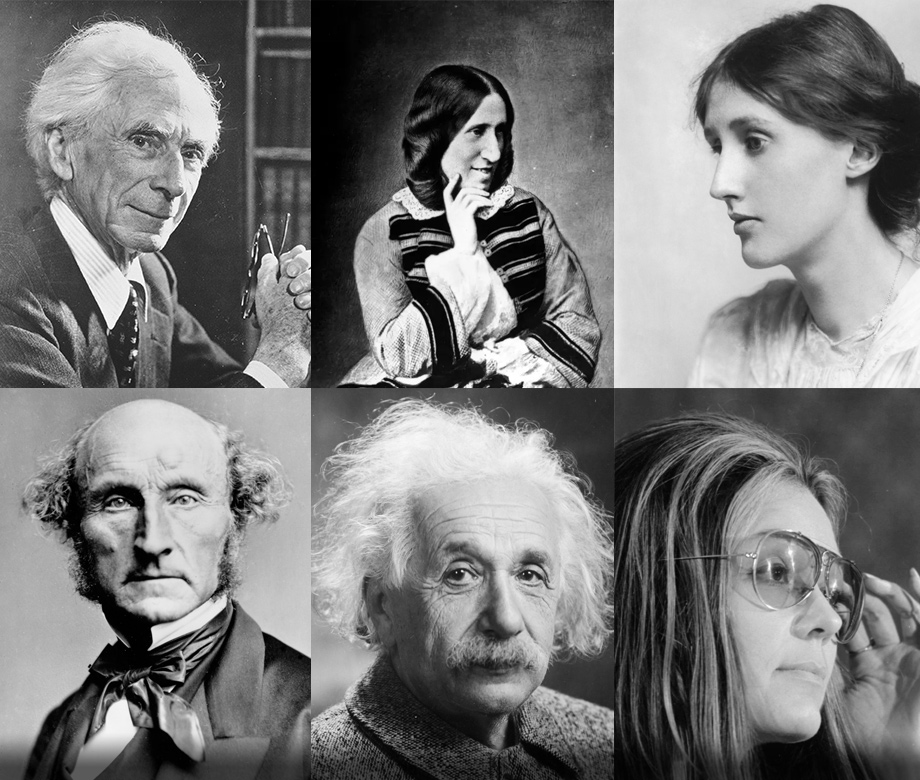
Humanists UK is a charity working for a more tolerant world where rational thinking and kindness prevail. Since 1896, we’ve campaigned for a fairer society and offered services (such as ceremonies, education, and pastoral support) to support non-religious people to live happier, more fulfilling lives.
One of our aims is to raise awareness and understanding of the humanist approach to life. Throughout recorded history there have been people who have believed that this life is the only life we have, that the universe is a natural phenomenon with no supernatural side, and that we can live ethical and fulfilling lives on the basis of reason and humanity. Today we call them humanists.
The Humanist Heritage project aims to bring to life the often overlooked but historically influential role of humanism in the UK and its impact on art, literature, and social, political, and ethical culture. As well as our Christian heritage, the UK has a strong, but often hidden, tradition of humanism that we want to celebrate. We’ll tell the story of those people who shared humanist beliefs and values and the contribution they made to the country we live in today. That contribution includes groundbreaking work towards human rights and individual freedoms, scientific understanding and social welfare.
Humanists UK has around 100,000 members and supporters. However, the humanist approach to life is shared by around a quarter of the UK population, whether they use the word to describe themselves or not. The website will provide a great way for them to learn more about those historically influential figures who shared their outlook. However, the history will not only be of interest to humanists.
We hope that the website will be of value both to those interested in specific research about the influence of humanism, and to members of the general public keen to learn more about this rich and eventful history. We’re aiming for an experience that allows those completely new to humanism to engage in a fun and accessible exploration of these hidden stories, while those from a more serious academic background will be signposted to helpful historical sources and further reading.

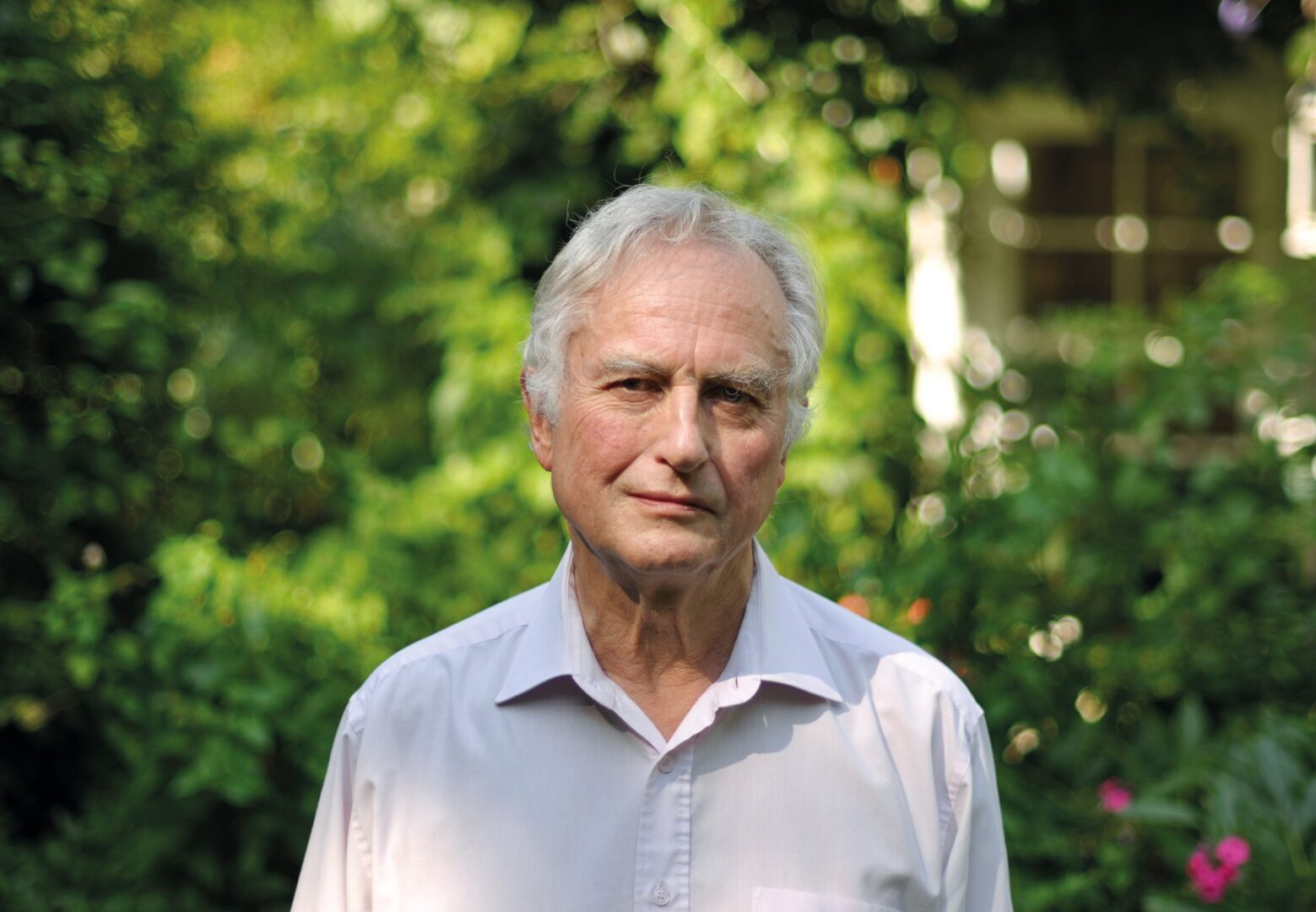

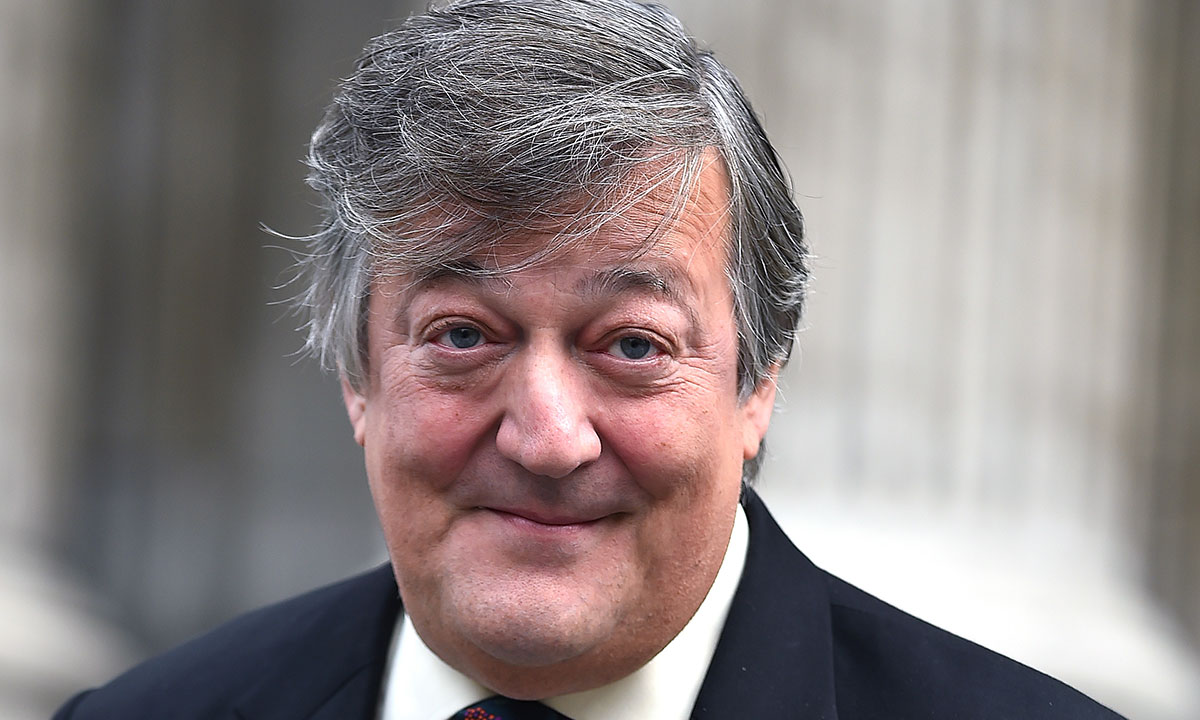
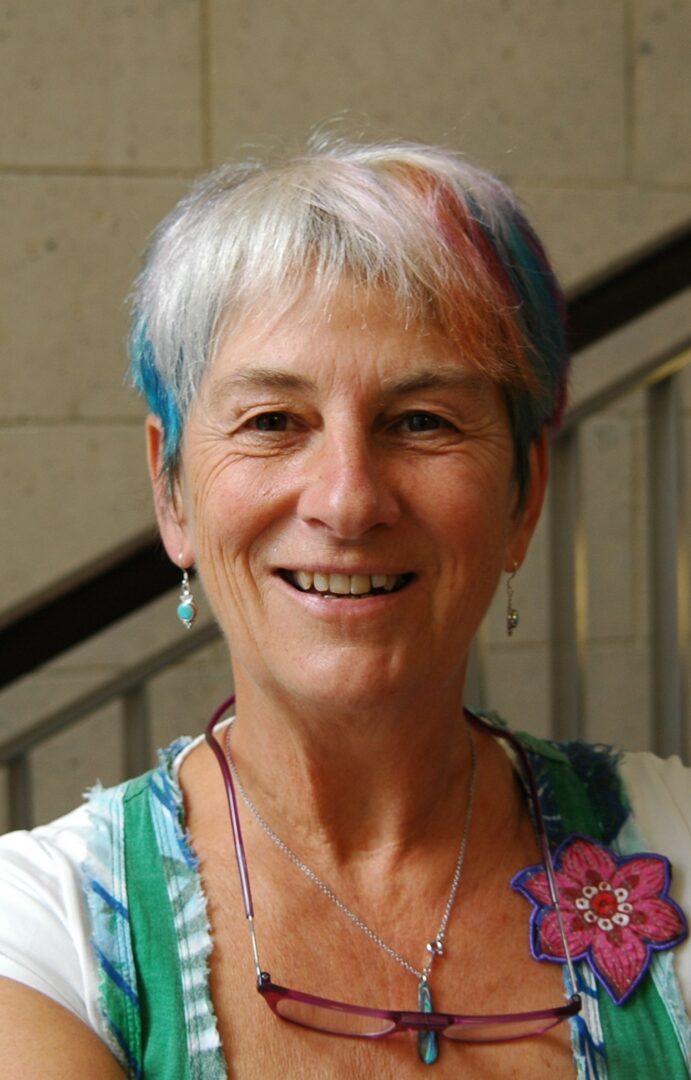
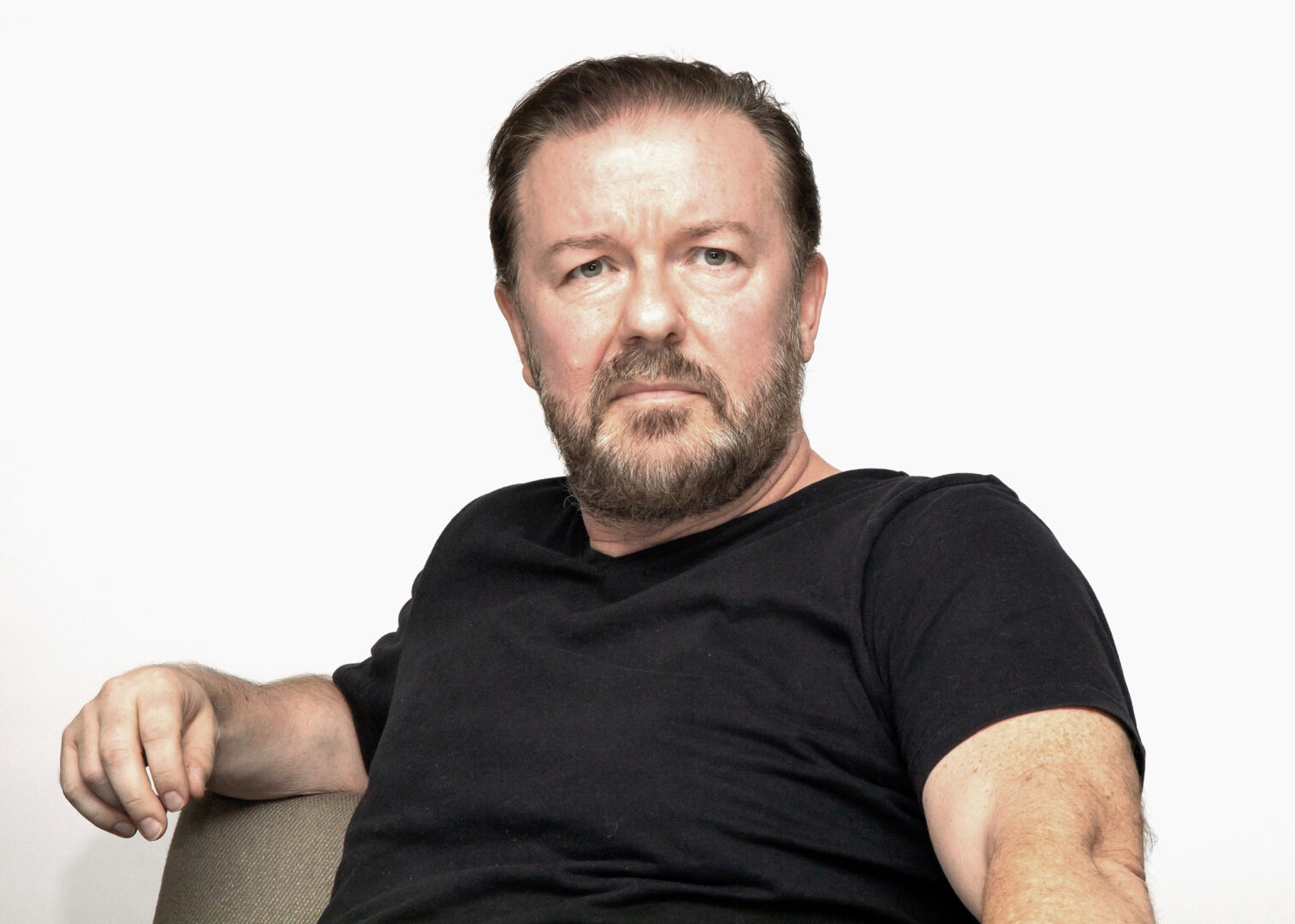
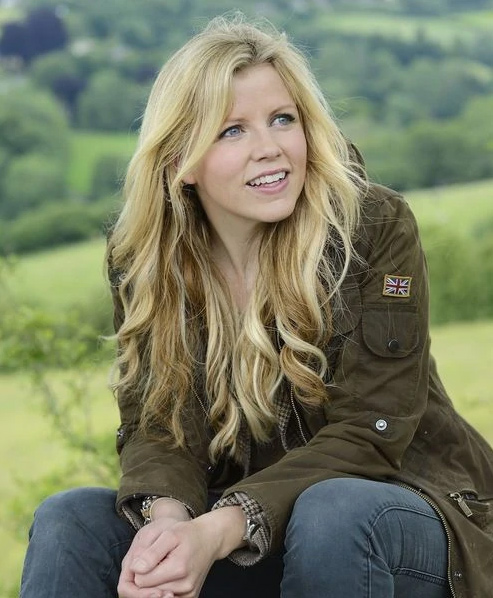
Maddy, our Humanist Heritage Coordinator has done a fantastic job researching, collecting, and organising all the content. The website will include people, places, organisations, publications, and events. Everything will be organised into themes and placed on a timeline and a map. There’s a lot to juggle and the hardest part has been trying to map all the important links between all of the above. Making sure everything links appropriately to everything else will be what makes exploring the website such a rewarding experience.
We’re lucky to have a great IT and communications team at Humanists UK, but in this case we wanted to commission people with experience of this kind of project to lift it up a level from what we might be able to produce inhouse. After looking around a number of possible website developers we concluded that Heritage Creative had the right combination of skills, experience, and vision for us. A shared passion for humanism also helped!
We’re aiming for an experience that allows those completely new to humanism to engage in a fun and accessible exploration of these hidden stories, while those from a more serious academic background will be signposted to helpful historical sources and further reading.

When organisations talk about ‘brand’ they are not really talking so much about logos and colours as the whole experience of encountering that organisation. For a charity and a membership organisation with lots of diverse areas of work, it’s extra important that people get a consistent and positive experience of us whether they come across us as campaigners, if we’ve provided care in hospital, or organised a wedding or funeral, or because they’ve come across a website that teaches them something about humanism. So the job of our brand is to bring clarity and order to those things, to create a consistent experience that tells the right story.
On the visual side, any brand comes with a set of dos and don’ts. And as with any creative medium, we try to view working within those boundaries and rules as a source of creativity, not a barrier to expressing who we are and what we stand for. There are two potential traps for any professional designer or agency that works with a charity on a project like this. The first is they might adhere robotically to the brand like it’s a pro forma – applying every bell and whistle at once – and in the end something soulless, bland, and busy. The other is they might conservatively appropriate creative choices you’ve made elsewhere – and miss out on the opportunity to visually tell the right story. When you’re creating something brand new, like a heritage website, what you really want is a designer who can keep in mind consistency and yet carve something that feels new and fresh out of the same raw materials used to make everything else.
We’ve been really grateful that Heritage Creative understood our approach and what our brand attempts to convey right away. We felt like the team really got to grips with who we were and that meant they were able to intelligently and creatively make design choices that were true to who we are and our goals.
It’s been great working with a team who share our vision. We look forward to seeing all the work come to fruition and creating a resource that will give new and diverse audiences a better understanding of the history and influence of the humanist approach to life.
With visitor numbers still recovering from the pandemic, how do you use your digital presence to increase footfall?
Heritage Briefing #3
Is it worth taking notice of?
 The ‘Reddit Radar Report’
Shaping businesses with new technology
 Digital Transformation in the Heritage Sector
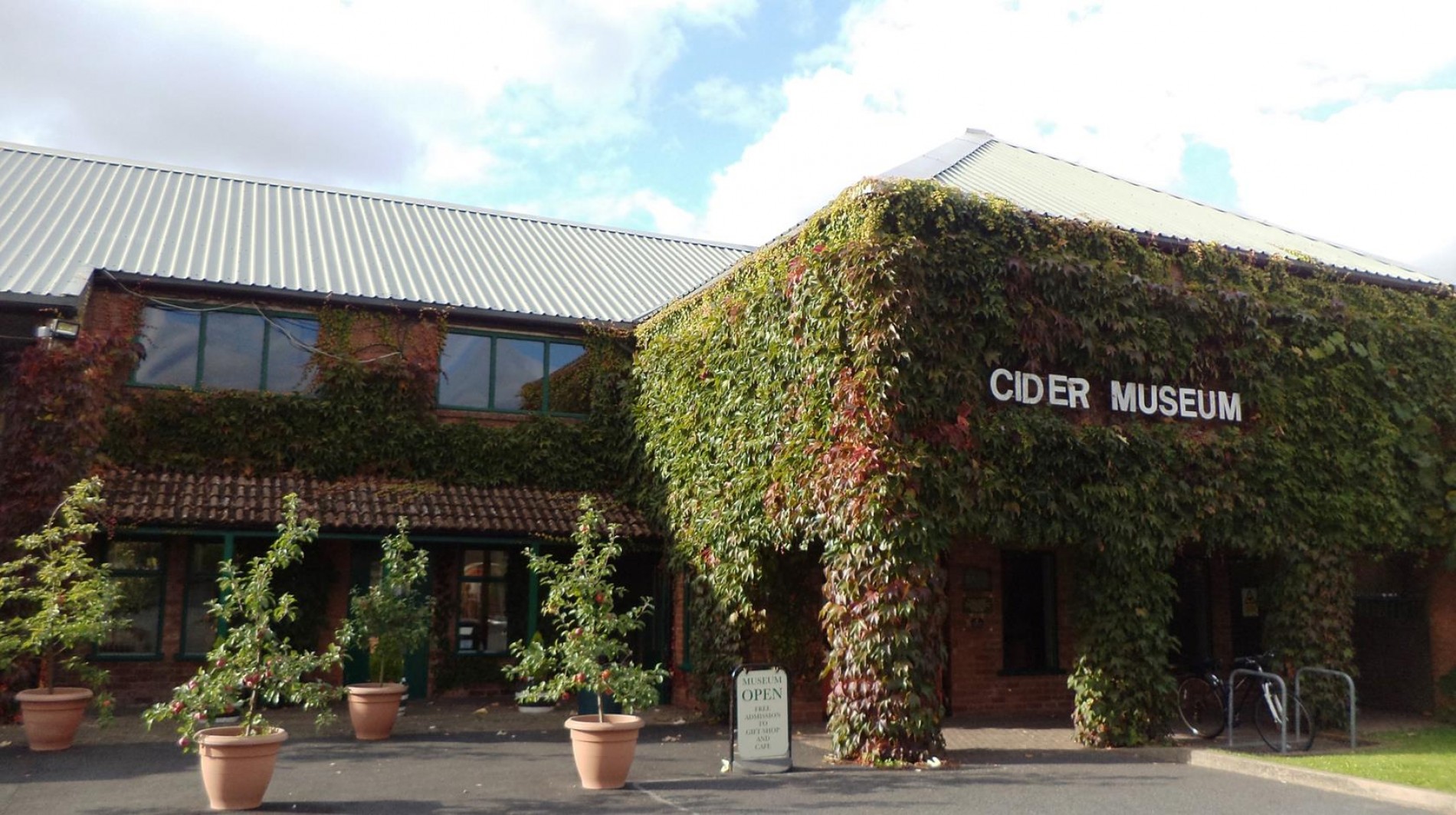
We are designing a new website for The Museum of Cider
 New Project: The Museum of Cider