01
Interview: Matthew Ryan, Historical Illustrator
30 July 2018
An interview with historical illustrator Matthew Ryan.
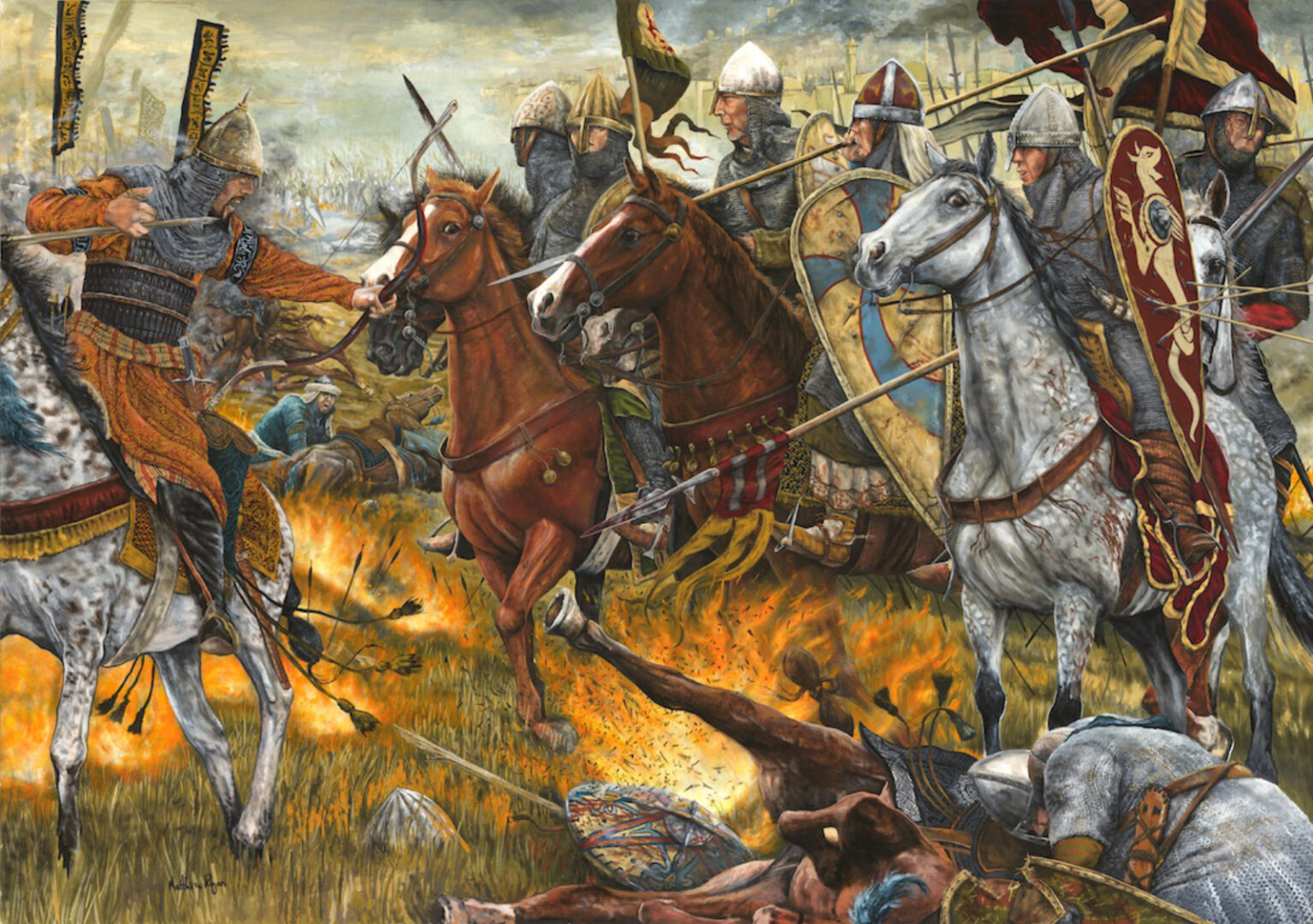 Interview: Matthew Ryan, Historical Illustrator

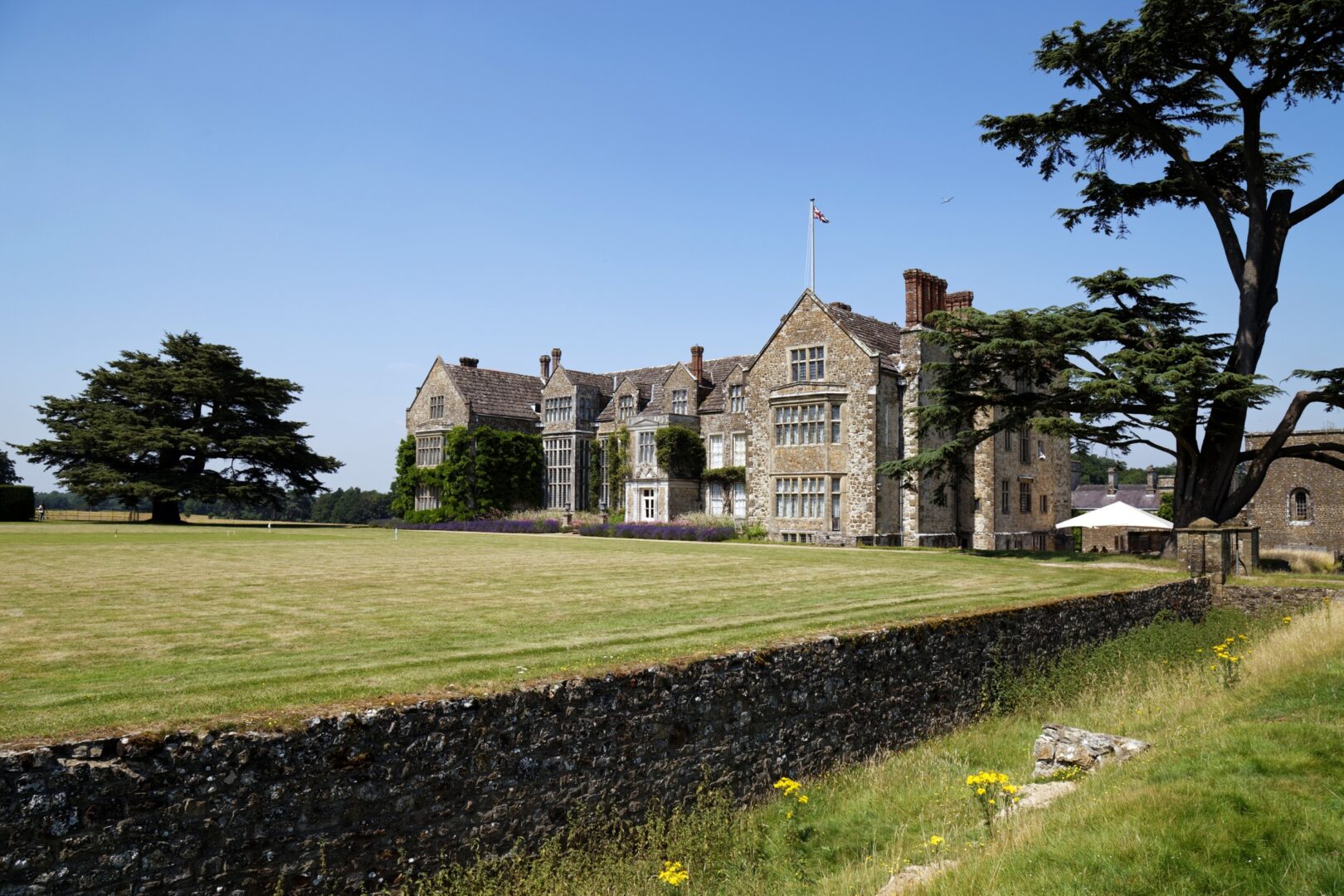
In any other year, at any other time, Parham House would have been open to the public. Thousands of people a year come to enjoy the house and its walled garden. One of the country’s finest Elizabethan houses, Parham has been receiving visitors for 72 years; this year its doors are closed, and its gardens remain unseen.
The outside world barely penetrates, the deer graze undisturbed. With the golden autumnal sun slanting through the trees, there is something slightly otherworldly about the place, as if the whole estate had quietly rewound the clock and slipped back into the 1600s.

Like most historic houses, Parham is ill-suited to handling throngs of visitors during a pandemic. Social distancing is difficult and there are many ‘pinch points’ in the house and garden. Moreover, the house is occupied by the Barnard family and the wider estate is home to several tenants and staff. A risk assessment was carried out early on in the pandemic and the difficult decision was taken to stay closed for the whole season.
Even though an entire year’s revenue has been lost, plans to revitalise the garden have gone ahead, and work to restore and conserve elements of the house’s collection has also progressed. It’s as if the whole place has been given a rest. There’s nearly always a silver lining, even in a pandemic, and Parham has managed to make the most of its enforced retreat from the world.
As many have in lockdown, Parham has been able to have a tidy and to complete a lot of the jobs that got side-lined in the hustle and bustle of ‘normal’ life. The decks have been cleared for repairs to the house, and now, with the promise of a vaccine in the offing, Parham and other historic houses can indulge in a little cautious optimism. Recovery won’t be easy, but there are green shoots of hope. The public has been starved of culture and heritage, and if infection numbers do fall, we may see a move towards a more normal visitor experience.
Respite from the yearly surge of visitors may sometimes be useful, but any heritage organisation still needs to maintain a link with its public, whether it be an art-deco cinema or a stately home.
Maintaining a connection, generating interest and innovating, are vital. Walk down the high street and it is immediately evident which shops, restaurants and businesses are adapting and experimenting with ways to weather the Covid storm. Flexibility and adaptability to new conditions are the hallmarks of the survivor. This is just as true for historic houses as it is for any other business.
The heritage industry has to learn to build resilience into everything it does. In a normal year, a pricing-philosophy of ‘all the market can bear’ may be fine. You might get away with a £7 hot chocolate (with whipped cream and organic, hand-shaved, single-estate chocolate topping…) when times are good, but when times are hard, and especially if the main attraction is closed, another strategy is called for.

In a pandemic and with the economy stalled, there’s nothing wrong with cheap and cheerful. Hot chocolate for £3.00, a bacon sandwich, a walk in the grounds and a gander at a stately home from the outside is a memorable experience when one’s whole existence has been reduced to the house, the weekly shop, and the TV screen.
Pulling up the drawbridge completely has disadvantages; there’s danger in insularity. Organisations can succumb to the effects of isolation, just as easily as individuals can. Whatever can be done to keep things as close to ‘business as usual’, must be done, even if all that means is to leave surplus produce at the gate. It says, ‘we’re still here and we’re here for you’.
A pop-up café in the grounds, vegetable boxes, preserves and honey—whatever is permissible under the prevailing regulations—might just be enough to keep the wolf from the door and things ticking over. And today’s takeaway hot-chocolate drinkers might become next year’s ticket-buying guests.
Look after the local community and the local community might just look after you; ask any savvy pub landlord, they will always tell you to look after the regulars.
A lesson many will have learned from the experience of lockdown is that if travel restrictions are in place, the local community becomes the customer base, and prices must be adapted.
It’s not all doom and gloom. The pandemic could herald a new business model for many historic houses and estates. Just look at what has changed in the last ten months: people working from home; the staycation; people moving out of the city; more people enjoying the countryside; an awareness of how fragile the supply chain can be and a growing consciousness of the need for food security. The classic estate model was always geared towards self-sufficiency and self-sufficiency is exactly what is needed in times of crisis.
Forward-thinking stakeholders will see the pandemic as an opportunity: to promote local produce; local attractions; and local recreation. The estate wins, the local community wins, the local environment wins and the climate wins. Historic estates can lead the way and become ushers to a better way of doing things.
Much is at stake. Even with a vaccine, there is no fail-safe route back from the brink and things will be tough for some time to come. Houses need to take this time to learn and to develop systems to cope with future disruption, from whatever direction that may come.
Now, as we sight normality on the horizon, stakeholders must ask themselves if ‘heritage’ is all that they can offer. I don’t think it is. I believe historic houses need to become integral parts of the community again and to act as bulwarks against future disruption to the fabric of daily life.
Many houses now run exclusively as ‘destinations’ might profitably take another look at the classic estate model and update it for the 21st Century. A more participatory role in the local community and by the local community will provide greater resilience for all.
And, if we ever find ourselves in this situation again, those who have learned the lessons of how to keep going and how to engage their community will fare better, and get out of the starting blocks quicker the next time around
The pandemic has already forced us to re-examine the wealth that is on our doorsteps, to get out and see with new eyes. When the post-Covid era dawns, people will eventually flock back as ticket buyers. When they do, we can get the chocolate shavers out again…
An interview with historical illustrator Matthew Ryan.
Interview: Matthew Ryan, Historical Illustrator
I was driving to our new web design studio in Stoke Prior, Near Leominster and it occurred to me that I don’t have this properly defined in my mind.
 What exactly is Heritage anyway?
Creating effective web design and digital strategies for visitor attractions: a look at heritage Creative’s approach and success stories.
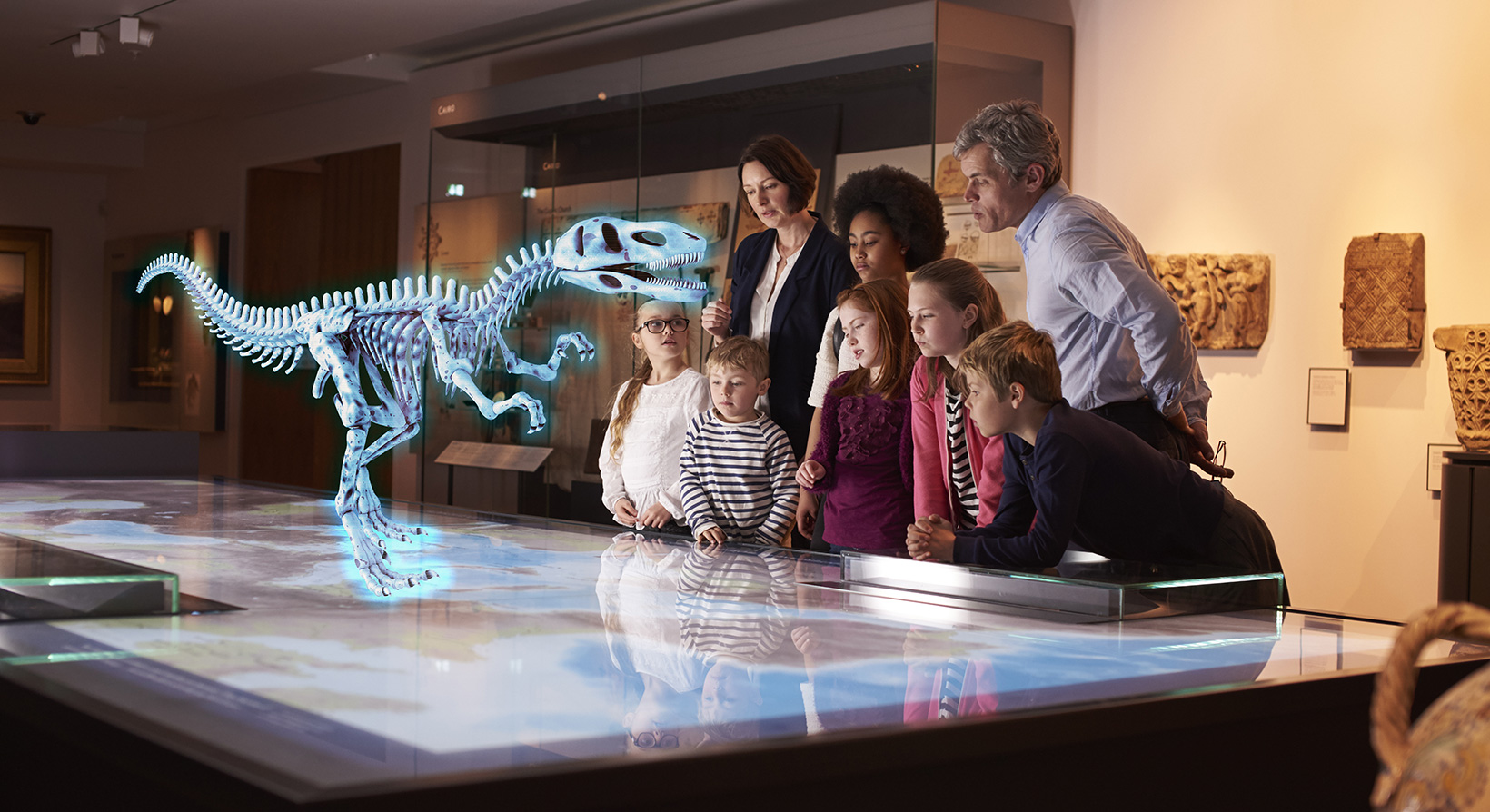 Web Design for Visitor Attractions
Well, what can I say! The event we held last week in London was a resounding success.
 Heritage Event: Success!