01
Upcoming Events
03 February 2020
I wanted to let you know we have several upcoming events you may be interested in.
 Upcoming Events

Take a walk down your high street and you will see the telltale signs of businesses and shops who have moved on or closed down due to the challenges of staying afloat in these periods of closure. It isn’t just the smaller or independent ones either; some of the retail giants who relied almost entirely on purchases through their ‘bricks and mortar’ stores have faced administration or worse. Can the Museums and Heritage sector learn anything from this though? Absolutely.

Being ‘closed but open’ has meant that tourist destinations, attractions and even churches and cathedrals have been developing and accentuating their portfolios of events and activities to embrace and develop a digital audience. There is now a well-established trend to move beyond core activity schedules and offer on-line events and opportunities which attract commercial income and re-establishment in the public mindset.
The digital realm is an open playing field where size of venue, geography and in some cases budget doesn’t impact in the same way as the physical space would. Success often comes from an innovative approach, finding the right tone and messaging and offering something rewarding or unexpected.
This current downtime can be used as breathing space to take a critical review of your on-line presence. Establish who you are currently talking to and who you’d like to talk to; these aren’t necessarily the same thing. Monitoring the conversations that take place on-line and what people respond well to are a good indicator of how you might need to shape your on-line content. Sometimes it isn’t the most obvious posts that gets the best results. If this is the case, analyse why something did so well and how could you use this as a template for future content.
Here are five different approaches to take which will help develop your on-line presence:
1/ Involve your audience: ask questions or for opinions or votes, then reveal results. People like to check in to see how their opinion pitched against a majority or if their opinion of an exhibit is shared.
2/ Show or reveal something that could never take place in the physical space. Highlighting fragile or rare pieces in a collection, archives, restoration or even how the gardens or buildings are maintained have all proved successful ways of altering preconceptions about your venue.
3/ Encourage and nurture reviews and comments. Don’t ignore any feedback and use it to inform future planning and content.
4/ Look deeper within the organisation and seek out the stories and facts that people wouldn’t normally associate with your core subject or activities. Where possible, use staff to introduce themselves and narrate what is happening. People feel at ease and are more likely to listen or engage when there is a human element involved.
5/ Finally, link as many social media and external posts as possible back to your website. A specific landing page to link to will reveal the ‘what, when and where’ about your audiences will help you to roadmap more campaigns.
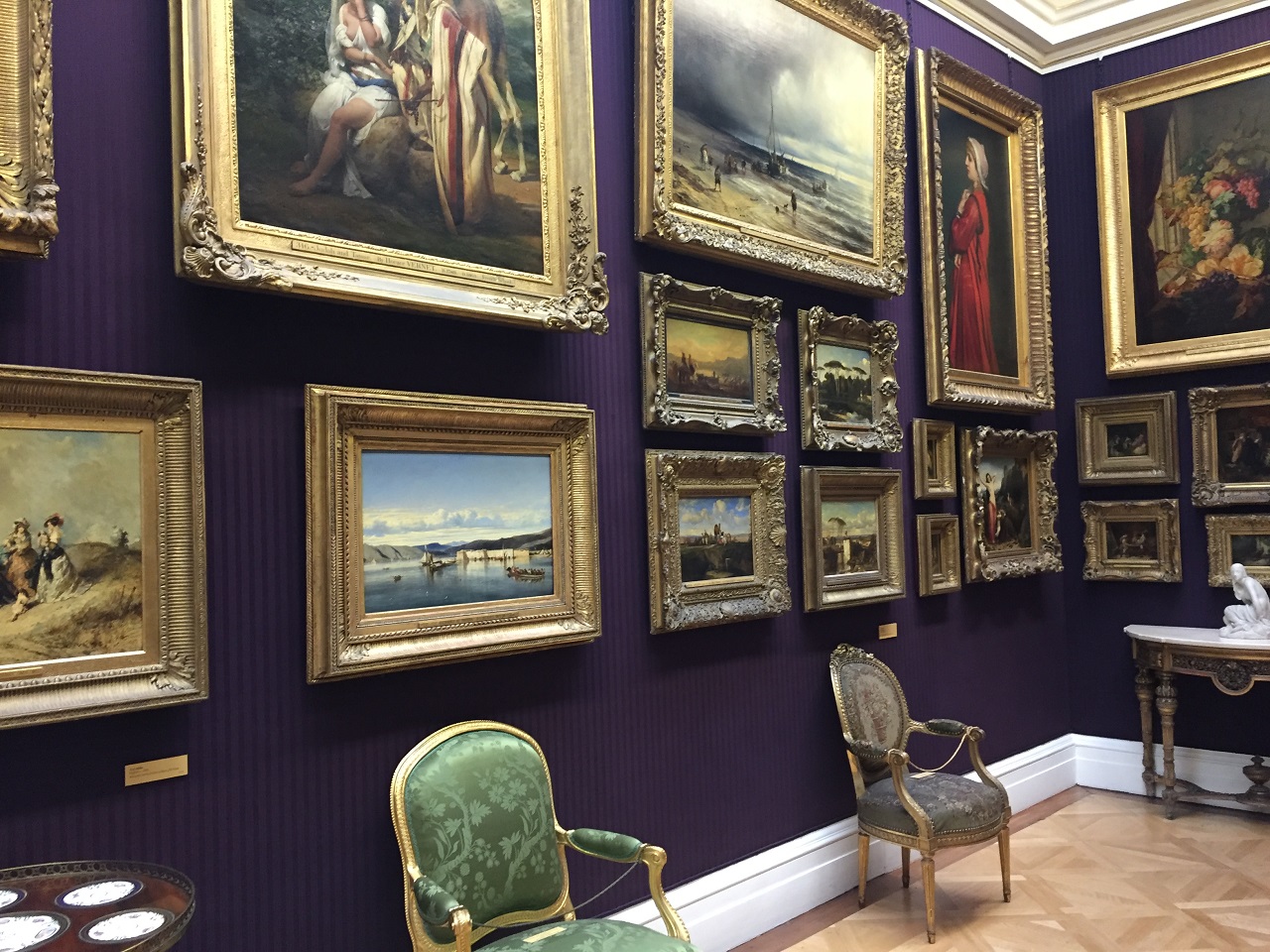
We interviewed Kathryn Havelock, Head of Communications at The Wallace Collection and AMA Trustee, about how they drew on their own creativity and utilised the digital space to reach and develop both existing and new audiences:
“At the Wallace Collection, we pivoted our digital strategy for focus on our unique collections, using a thematic approach to create weekly blog posts that brought disparate areas of the collection together under a common purpose. This way we were able to create new connections and juxtapositions between objects that would never normally be linked because they were from different countries or time periods and were unlikely to feature together in an exhibition or physical display.
With little budget and almost no access to the museum itself, we also created new content by reconfiguring existing assets – in-situ photography and panel text became the basis for an online exhibition tour; an essay on our history became part of the suite of content for our 120th birthday celebrations; and unused rushes from some filming with the BBC were edited into an exhibition video.”
“We called upon our curators, conservators and even the museum director to write content for us about their areas of expertise and their work during lockdown, and gradually developed new content streams such as our monthly ‘Meet the Expert’ series focusing on one curators area of focus, and #WallaceConnections, a social media initiative focusing on untold histories and the more troubling but important aspects of some of our objects. Our Learning Team developed an online programme of talks and courses, and creative resources for families to do together at home, and we worked closely with our Retail Team to help promote the Wallace Collection Shop so people could stay connected to us through our books and merchandise inspired by the Collection, which of course helped us financially when we’re facing a deficit from being closed for months.
All of these were promoted via our e-newsletter, via social media, and through our supportive partner organisations. We’ve seen great levels of engagement on the website, and new virtual visitors from countries around the world where we’ve previously had no engagement. Our Learning Team has had people join courses from our neighbours in Europe to as far afield as Australia, which would never be possible in our physical spaces, and our social media engagement has dramatically increased.”

Comparing numbers before and after campaigns is crucial in gauging the power and reach of any digital campaign. If anything, this new approach is the perfect opportunity to re-evaluate any stagnant digital strategies and bring them up to date. Setting out some clear objectives and not content with merely building your followers or gaining ‘vanity figures’ will really keep the lens focused and achieve buy-in from Staff, Volunteers and Stakeholders.
Performance indicators could be something as simple as increasing your e-newsletter sign-ups by 10%, placing a link to your on-line shop on the homepage in a bid to sell more merchandise. Increases in Memberships, donations and Volunteering can also form part of your KPI goals and be maximised through persuasive and compelling digital marketing.
At Heritage Creative, we specialise in looking at how we could help you become more self-sufficient through your digital offering, website, SEO and social media so talk to us today. We’d love to hear from you.
I wanted to let you know we have several upcoming events you may be interested in.
Upcoming Events
Culture Is Digital policy paper
 Culture Is Digital
We will be attending Museums & Heritage Show in London on the 16th of May 2018
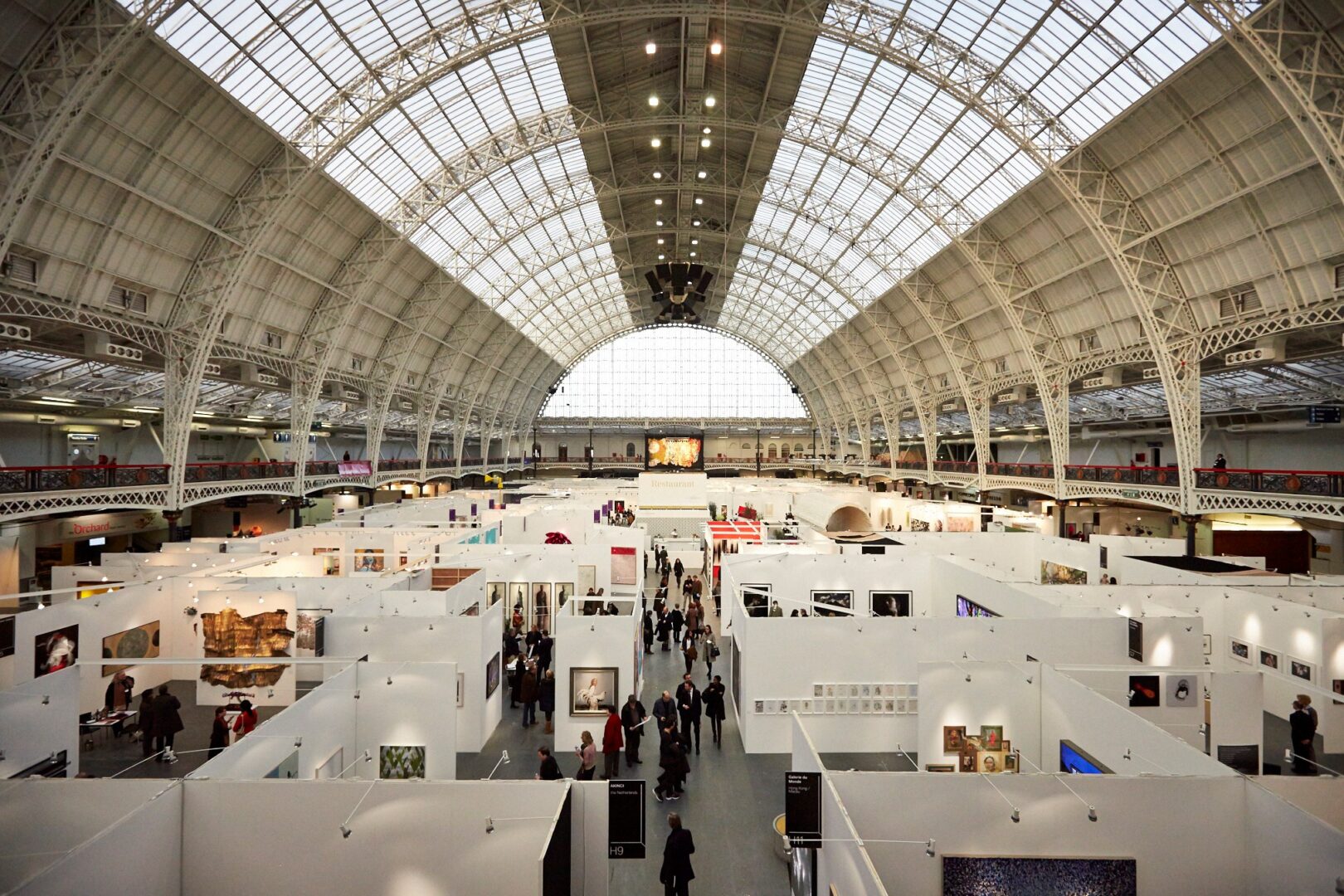 Museums & Heritage Show 2018
I visited the AiM Conference 2018 in Stratford-upon-Avon and loved it!
 AIM Conference 2018